
Prof Soo Hong Chew (NUS and SWUFE)
 06 Nov 2026
 11am - 12:30pm
 Fred Gruen Economics Seminar Room (H.W. Arndt Bldg 25A)

A Theory of Intelligent Decision Making (From Situation Perception to Energy-Efficient Choice)
We define intelligence as goal-directed optimization under energy and value constraints, linking its evolution to the efficient use of scarce resources. Goal-direction presupposes incentives; Aumann (2024) argues that conscious experience evolved to enable them, underpinning economic activity in general. Adaptive behavior must respond to threats, opportunities, signals, and comparisons, which raises two demands: situations matter without leaving choice unconstrained, and situational information carries forward from one decision to the next. Situation Attention Utility (SAU), an axiomatic utility theory whose behavioral axioms admit energy-efficiency interpretations, meets both. Its primitive is a situated outcome: a consequence paired with a situation descriptor of how it is encountered—its display, source of uncertainty, or the alternative against which it is compared. Read behaviorally, the axioms let descriptors reweight consequences without revaluing them, so a single value function and a single situation-dependent attention function govern choice across observations. Read computationally, the same axioms enable a decision maker to cache only its current evaluation and accumulated attentional support, aggregating new material exactly without recomputing what has been processed. With retention and information processing, together with delays, being costly, this economy may confer a fitness advantage. Our theory of intelligent decision making thus links situation perception to energy-efficient choice through SAU.
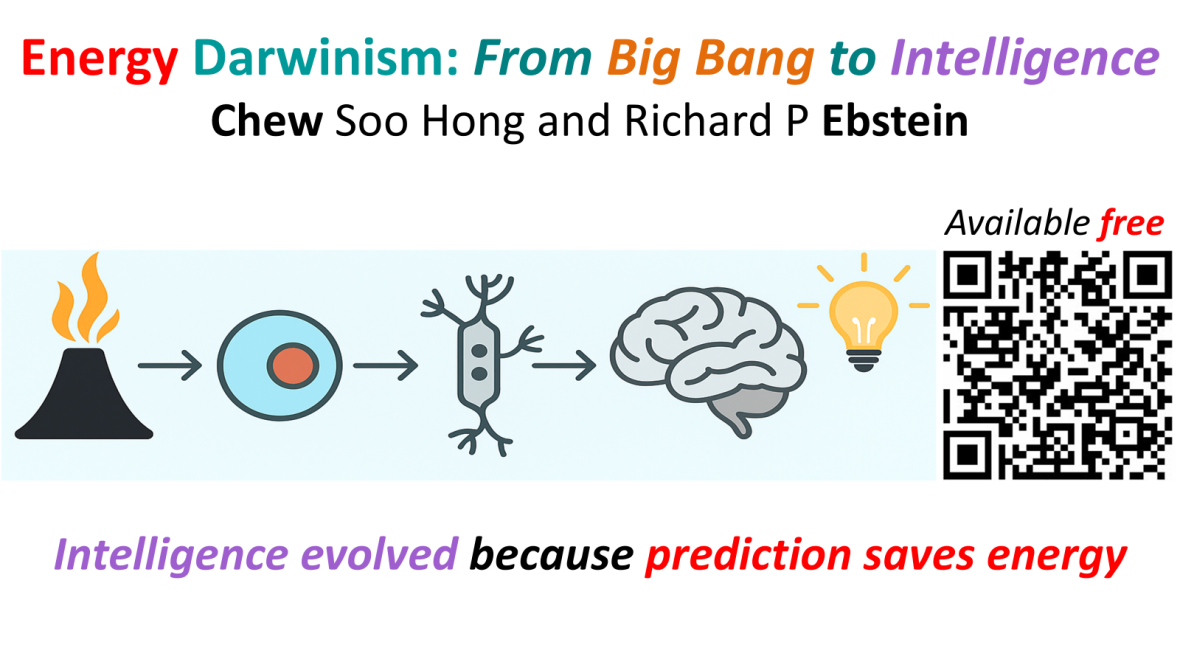
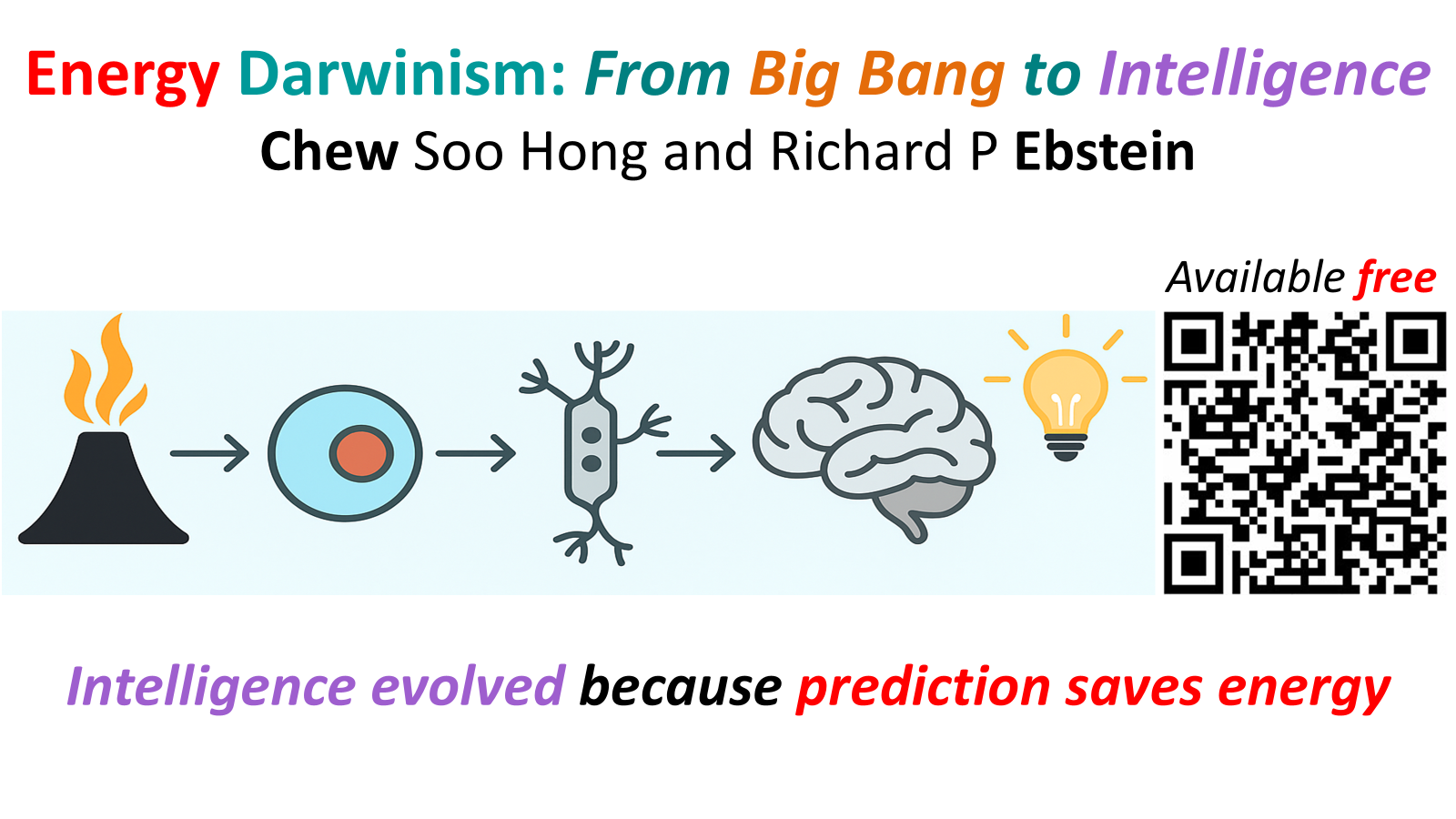
A gift from Chew: scan to view the book
Other events

General Seminar - Keaton Ellis
Dr Keaton Ellis (Monash)
General Seminar - Simon Franklin
Dr Simon Franklin (Queen Mary)
General Seminar - Pei-Cheng Yu
Dr Pei-Cheng Yu (UNSW)